
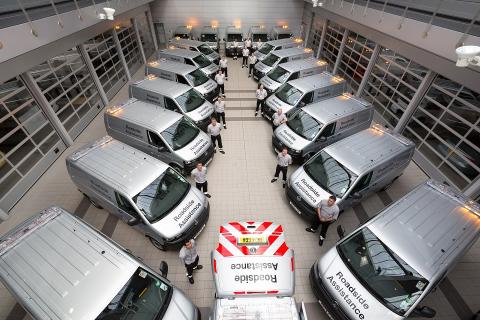
Some of the silver-liveried VW Transporters the AA will use on its dedicated VW roadside assistance service.
In business, ‘eating your own dog food’ is often a key measure of credibility — and many firms expect this loyalty to extend to their customers, too.
It is no surprise, therefore, that Volkswagen is supplying the AA with 90 new VW Transporters to use for its dedicated Volkswagen Commercial Vehicles roadside assistance service.
The silver vans are fitted with specialist tools and the latest VAS equipment, including a diagnostic interface that connects to customers’ vehicles to identify problems quickly. The system also allows technicians to carry out the latest software updates at the side of the road.
As well as boosting its fleet with new Transporters, the AA is also investing in a dedicated call centre at its headquarters in the West Midlands that will handle all customer roadside assistance enquiries. Technicians will be on hand 24-hours a day, seven days a week, and all will be specially trained to work on Volkswagen Commercial Vehicles.
The new roadside assistance partnership means the AA will be available to Volkswagen Commercial Vehicles customers anywhere in the UK. The service includes home assistance, European cover, a dedicated UK-based customer service centre and delivery of customers’ cars to any UK destination including Volkswagen’s dedicated Van Centre network.
The new AA Transporters will be equipped with state-of-the-art equipment, carry only genuine Volkswagen Commercial Vehicle parts and tools, and patrol staff will be Volkswagen trained technicians, to ensure the best possible care.

 Despite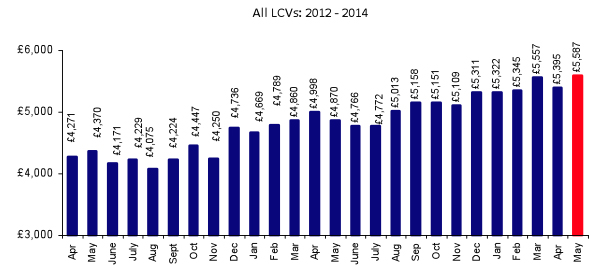
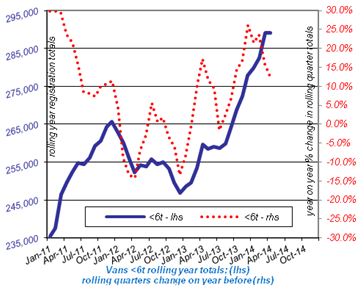
 Commercial vehicle buyers are purchasing more car-derived vans (CDVs) and small panel vans, due to a chronic lack of larger panel vans (over 3.5t) in the market, according to the latest market analysis from vehicle remarketing firm Manheim.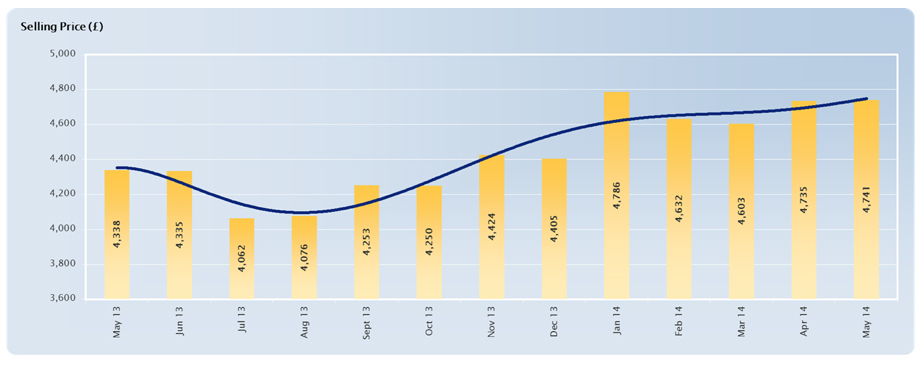
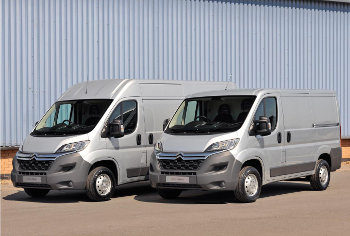

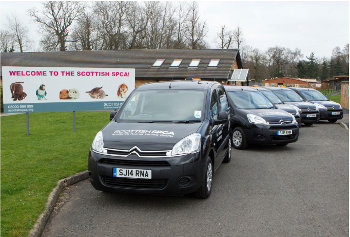 A major repeat order for new Citroën vans has recently been signed by the Scottish Society for the Prevention of Cruelty to Animals (Scottish SPCA), to support their vital rescue and animal protection work.