Tag Archives: vanhire

Econorent

Econorent opens Ipswich van hire location

EconorentSuffolk and Essex car and van hire firm Econorent is continuing to expand, and now has a new branch in Ipswich.

This family-owned company has been advertising on vanrental.co.uk since 2012, so it’s great to see that it’s continuing to grow.

The Ipswich branch is based on Nacton Road, about 1.6 miles from Derby Road railway station and just 1 miles from the A14.

A full range of cars and vans are available at the new branch, including small, medium and long wheelbase vans, plus luton box vans with tail lifts (see here for our van size guide).

Pickups are also available, including with towbars.

For larger groups, seven and nine-seater minibuses can be hired.

Here are the contact details for Econorent in Ipswich:

14 The Drift,
Nacton Road,
Ipswich,
Suffolk,
IP3 9QN

Tel: 01473 231230

Web: http://www.econorent.co.uk/

Econonrent’s new branch takes the firm’s network to six branches. The other locations are Manningtree, Sudbury, Stowmarket, Harleston and Colchester. For more information contact visit the website or contact the firm on 01449 616161.

Questor Insurance logo

Questor Insurance exclusive 10% discount code (Expired)

Questor Insurance logo

We have an exclusive 10% discount code for Questor Insurance van hire excess protection.

In my experience, Questor’s insurance is generally much cheaper than equivalent protection purchased directly from the big hire companies.

If you’re hiring a van, this can be a great way to save money — especially if you’re renting for more than one day.

Here are the details you’ll need to make the most of this great 10% discount. Remember, you can buy in advance. So you can still use this code today even if you’re not hiring until later this year.

*** THIS DISCOUNT CODE HAS NOW EXPIRED ***

Please check our van hire excess insurance page for the latest Questor Insurance discount codes.

Terms and conditions may apply, see Questor website for details.

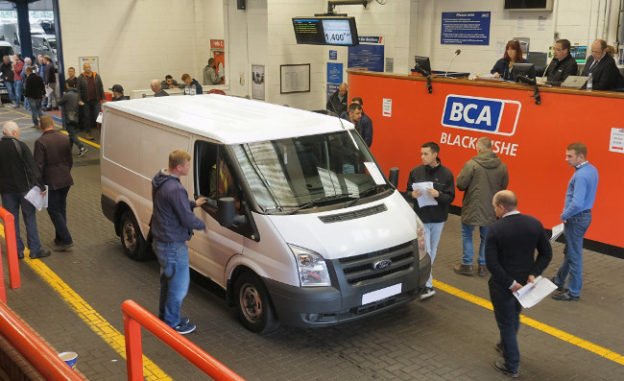
BCA LCV sale April 2018

Used van prices are rocketing – is it cheaper to rent?

BCA LCV sale April 2018

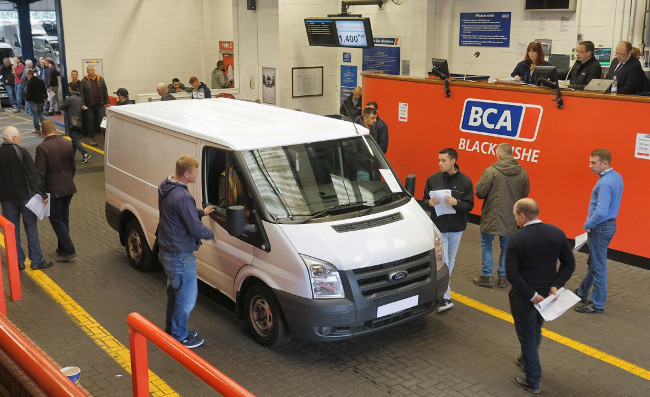
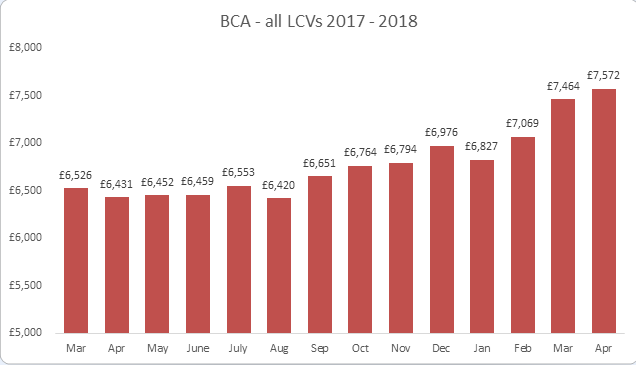
Used van prices rose to record levels in April, according to figures released by auction group BCA. As prices continue to rise, buyers may start to consider whether it might be cheaper to rent vans for occasional use:

BCA used van prices March 2017 - April 2018

BCA used van prices March 2017 – April 2018 (source: BCA)

The average LCV value rose by £108 to £7,572 in April, according to BCA’s sales data. That’s an increase of 1.4% from March and a whopping 17.7% (£1,141) more than in April 2017.

Although average age and mileage have fallen over the last year, I don’t think the decline is big enough to account for the increase in price over the last year. In my view, there’s no doubt that used vans are becoming more expensive again.

All vans Avg Age (mnths) Avg Mileage Avg Value
Apr 2017 50.89 67,196 £6,431
Apr 2018 49.64 64,837 £7,572

Source: BCA

Cheaper to rent?

The increase in used values isn’t necessarily matched by strength in the new van market, where sales have been falling this year. Because the big van hire companies buy new in bulk, I suspect that any weakness in new van sales is likely to help big rental buyers to secure even better prices on new models.

Given this, we think it’s worth costing out whether renting a van might be cheaper for your business than buying used. When you rent, you don’t have to worry about the residual value of the van in the future. And you’re normally guaranteed a nearly-new van with no maintenance costs.

If you only use a van for some of the time, renting a new van when you need it could be cheaper and much less hassle than buying used.

Small van

How the van hire business really works

Compact van

How do van hire companies make money?

It might seem logical to think that most of their profits come from hiring out vehicles. But that’s not the whole story.

The big van rental companies are really trading operations that buy and sell thousands of vans each year. Last month’s 3.9% increase in new van registrations was almost certainly influenced by deliveries to hire companies.

The income from hiring each van covers its depreciation, insurance costs and corporate operating costs. But corporate profits depend on minimising the buying price and maximising the sale price of each vehicle.

Here’s a quick overview of the life cycle of a rental van:

Buy: Large van rental companies buy vans in bulk, directly from manufacturers. They’re able to secure big discounts on list prices in return for regular large purchases. Care is taken to choose popular models with good specifications as these will be easy to sell on when they are de-fleeted.

Hire: The vans are then hired out to customers, usually on daily rental rates, but sometimes on weekly or monthly rates. This is a very competitive business, so these basic rental rates are kept quite low. The aim here is to cover the company’s insurance and operating costs plus the depreciation on the van.

Extras, such as more comprehensive insurance, sat nav hire or baby seat hire tend to be profitable. They’re a useful way for hire companies to improve the profitability of each rental.

Sell: This is where profits are made or lost. Big hire companies buy and sell thousands of vans each year. A lot of effort goes into maximising the sale price of each van, which is dependent on age, mileage, condition and the choice of sale channel (e.g. auction or retail).

A good example of this is a recent policy change at van hire specialist Northgate, which operates more than 97,000 rental vehicles in the UK and Spain. In February, the company announced plans to operate its vehicles for between three and nine months longer than previously. Their analysis suggests that doing this will improve the profit generated by each vehicle when it’s sold.

What about smaller companies? Big companies tend to own their fleets, using debt to fund part of the purchase costs. But smaller hire companies sometimes choose to lease their vans. They then aim to make a profit from the difference between their lease costs and the rental income generated by their vans.

Why we think you should compare van hire: Not all companies offer the same rental rates for the same vehicles. Some companies are cheaper for one type of van but may be more expensive for a different size van.

Another complication is that hire rates change regularly throughout the year. So the company that was cheapest in February might not be in June.

Our unique van hire price comparison engine helps you find some of the cheapest vans available across the UK. We think it’s the best on the market. Why not give it a try and see what you think? Just click here to get started.

One final comment – we often get asked if you should buy an ex-hire van.

Should you buy an ex-hire van? Popular legend has it that ex-hire vans are knackered wrecks that have been abused by drivers. The reality is somewhat different. Although rental vans are often worked hard, they usually have many different drivers, most of whom are careful to make sure they don’t damage the vehicle — as they or their employer will have to pay for it if they do.

Ex-hire vehicles are generally seen by trade buyers as very attractive. They’re always popular models, are relatively new and have normally been correctly maintained in-line with manufacturer requirements.

In our view, buying an ex-hire van can make good sense.

Questor Insurance logo

May Bank Holiday Exclusive: Questor Insurance discount code [EXPIRED]

Questor Insurance logo

You’re probably warming up in the sun this bank holiday weekend. I hope you enjoy it after this long winter.

But if you do happen to be booking a rental van, then please check out our exclusive 7% discount code from van hire excess insurance specialist Questor Insurance.

Here are the details:

  • *** THIS DISCOUNT CODE HAS NOW EXPIRED ***


Please check our van hire excess insurance page for the latest Questor Insurance discount codes.


Terms and conditions may apply. See Questor Insurance website for details.

Questor Insurance logo

Exclusive: SAVE 10% on Questor Insurance excess protection

Questor Insurance logo

To celebrate the real start of Spring, we have an exclusive 10% discount code from van hire excess insurance specialists Questor Insurance.

We don’t often get a full 10% discount, so this is a good opportunity to book ahead and save cash!

** THIS DISCOUNT CODE HAS NOW EXPIRED **

Please check our van hire excess insurance page for the latest Questor Insurance discount codes.


Terms and conditions may apply. See Questor Insurance website for details.

Medium van

What size van should you hire?

Perhaps the most common question we get asked is “what size van do I need to hire?”

The answer isn’t always obvious but there are some simple rules of thumb that should help you choose the right-sized van.

Here’s a summary of the most popular sizes of hire van. (You can find a much more detailed size guide here).

Compact vans
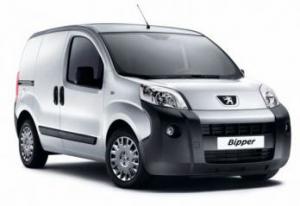
Compact van

Compact vans such as the Citroen Nemo are the smallest vans you’re likely to be able to hire.

These tiny vans are good for small boxes, delivering documents or small items and for nipping around town.

With a typical payload of 500kg and a loadspace around 1.5m long and 1.2m high, they’re surprisingly flexible and can hold a lot of stuff, as long as it’s not too bulky.

Just don’t try moving house with one.

Small vans
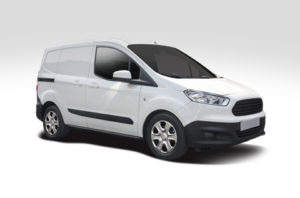
Small van

Small vans like this Ford Transit Connect are bigger than they look.

One of the most popular sizes of vans is what we call the small van.

They’re not really that small anymore, as they typically have a maximum load length of about 1.7m. Payload (load weight) is normally between 600kg to 1,000kg, depending on the model.

Small vans aren’t much bigger than an estate car and are easy to drive and park.

If you’re living in a shared house or student room and don’t have any furniture, a small van like a Citroen Berlingo or Ford Transit Connect might be big enough to hold all of your stuff.

Medium vans

Medium van

Medium vans such as the VW Transporter (pictured) and Ford Transit Custom are big enough for most jobs.

If a small van isn’t quite big enough, a medium van probably will be. These are the smallest vans we’d recommend if you’ve got furniture to shift, rather than just boxes and other small stuff.

The most popular van in this class (indeed, the most popular van in the UK) is the Ford Transit Custom.

These models usually have headroom of about 1.4m in the rear, and a load length of around 2.4m. Width is usually about 1.7m, although it’s less between the rear wheel arches. These are popular with couriers and tradesmen and also a common choice for campervan conversions.

Large vans
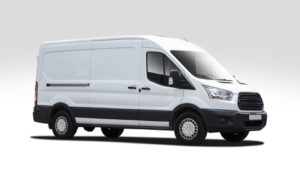
Large van

Large vans such as this Ford Transit long wheelbase are pretty big inside.

Now we’re getting serious. Large vans like the Ford Transit long wheelbase (LWB to van geeks) have an internal length of 3m-4m.

They also tend to have higher roofs, providing more height for stacking large objects and — sometimes — making it possible transport wardrobes standing upright.

For a one-bed flat move, a large van may be big enough, as long as you don’t have too much large furniture. However, if you’ve got sofas and beds to move, we think you’ll probably want something bigger.

Extra-long wheelbase vans

Extra-long wheelbase van

The Mercedes-Benz Sprinter XLWB is the Daddy of extra-long vans.

An extra-long wheelbase van (XLWB) is the same as a long wheelbase van, but with an extra bit stuck on the back. The end result is a van with an internal length of between 4m and 5m. Width is usually around 1.7-1.8m, and internal height can vary from 1.7m to more than 2m.

These load luggers are favoured by couriers and tradesmen and are also good for small removals, as you can fit a lot in the back. The only downside is that the sides of the van aren’t vertical and aren’t completely flat. So an XLWB van still isn’t quite as good for removals as our final choice, the luton.

Luton
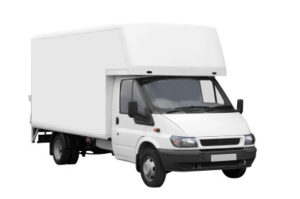
A luton van

Lutons are the best choice for removals as they are designed to fit lots of large, bulky objects.

Named after the Befordshire town of Luton where it was first invented, the Luton is a box van with an additional storage area over the driver’s cab.

These vans are the first choice for small removals firms, as the wide, square load space they provide is ideal for bulky household items like sofas, fridges and wardrobes.

Internal height and width is normally 2m. A typical internal length might be 4m, although this can vary.

If you’ve got any questions about hiring a van, drop us an email or give us a shout @vanrentaluk on Twitter. Remember, you can find more information about different types of van in our size guide.


Thief stealing a van

5 ways to prevent theft from hire vans

Thief stealing a van

We’ve put together some tips to help you protect your possessions being stolen from your hire van.

Theft from vans can have a devastating impact on the victims. Lost tools can be hard to replace and cause small businesses to rack up big losses. And if you’re moving house and your possessions are stolen from your hire van, the personal impact can be even greater.

The obvious advice is to make sure you don’t leave anything in your van when it’s unattended. But as we all know, that’s simply not possible sometimes. So here are some tips that should help you minimise the risk of theft from your van, whether it’s a rented van or your own vehicle.

Out of sight, out of mind

Never leave anything on display. That means keeping the cab area and dashboard clear. If your van has a full bulkhead and doesn’t have any rear windows, then that’s all that’s necessary. But if you do have rear windows consider covering the rear windows or the contents of your van with a blanket, so that would-be thieves can’t see in.

Remember, even if glass is dark-tinted, you can still see through it if you shine a torch directly on the glass.

When you’re unloading your van — perhaps if you’re moving house — remember to remove your valuables, sat nav and phone from the front. Close and lock the van every time you come and go. Don’t be tempted to leave it open and unlocked unless it’s always in your sight.

Is it really locked?

This may sound obvious, but the widespread use of remote fobs and keyless entry systems means that many drivers just walk off without checking whether their van has actually locked.

I recently wrote about the growing problem of relay attack theft on vans with keyless systems.

But another problem for drivers with normal remote key fobs is that thieves can lurk nearby with signal blockers that will stop your van from locking.

Whatever type of locking system you have, make sure the van is actually locked when you leave it — watch for the indicators to flash and/or listen for the noise of the locks engaging.

Parking tips

Parking carefully won’t always deter professional thieves. But there are a few things you can do to help. Park under street lights where possible, preferably within sight of your home.

If you’re parking in a car park or on a driveway, park against a wall or back right up to the garage door if possible, to reduce access to the van’s rear and side doors.

If you’re in a hotel car park, try and make sure your van is in clear sight of any CCTV and is in a well-lit area.

Insurance

If you’re moving house, check if your home insurance covers you while your possessions are in transit. If they aren’t covered, consider extending your cover to include this protection.

Protect your keys

It’s amazing how many people keep their keys and wallet by their front door. Yes, it’s convenient when you’re rushing out. But it’s also convenient for thieves.

Modern vehicle electronics makes it harder to hot-wire cars than it used to be. But if you have the keys, it’s very easy. Many thieves now target houses in order to steal their car or van keys.

Vans with keyless systems are also more vulnerable to being stolen by relay attacks when the keys are closer to the van, because the signal from them will be stronger.

Keep keys safe and make sure they’re not visible through windows or when you open your front door.

What should I do if my van is broken into?

The first thing to do is probably to notify the police and your hire company.

If the van has been damaged, the hire company will probably need a police incident number. They may also need to arrange for the van to be recovered to be repaired and for you to get a replacement van.

You’ll also need to contact your home or trade insurance company to see if you can claim for what’s been stolen. This won’t be covered by your hire company’s insurance. Don’t expect them to help with this.

What else can I do to prevent theft from vans?

If you own the van yourself, there are some other precautions you can take. But if you’re using a hire van I don’t think there’s much else you can do.

Tradesmen carrying tools are probably at the highest risk of theft. Such tools are expensive to replace, easy to carry and easy to sell quickly for cash. Household possessions aren’t so desirable.

So if you’re a tradesman using a rented van, remove as much as possible overnight and try not to make it too obvious what the van is being used for. Keep it clean, don’t leave work-related stuff all over the dashboard and make sure it’s locked every time you leave it unattended.

Easter picture

Why hiring a van this Easter could save you money and time

Easter picture

© creativecommonsstockphotos ID 89742774 | Dreamstime Stock Photos

Easter is early this year, and will be here in less than two weeks. What are your plans?

The ‘beast from the East’ appears to be in full retreat this week, opening up the prospect of some milder weather over the long weekend.

It may still be too early for a BBQ (or perhaps not!) but Easter is the ideal time to get stuck into big DIY jobs, garden renovations, or major trips to the tip. Perhaps you’ve got an old shed or garage that needs emptying. And what about the loft?

Dirty deeds

If you need to shift a load of dirty ‘stuff’ from a to b, then you’ll probably already know that your car isn’t the ideal choice of transport. Not only is carrying capacity limited, but you’ll have to do a big clean-up afterwards.

A far better choice might be to consider hiring a van for the long weekend. This could be much cheaper than you’d expect, and the practical advantages of having a rugged and large load space could easily outweigh the extra cost.

For example, you won’t run any risk of getting soil/mud/oil/grime/loft dirt on your car’s upholstery. Nor will there be any risk of damaging the seats or interior trim.

Fewer journeys

The extra space and weight-carrying ability of a van also means that you’ll probably be able to make fewer trips. One trip in a medium van could easily replace three in a car. That leaves more time for a BBQ and a hard-earned beer when you knock off for the day!

If you’re not familiar with van hire, we can help you get started.

To get compare van hire prices from leading UK hire companies, click here.

For more information on choosing the right size van, click here.