Avis logo

Avis and Budget branches now available on vanrental.co.uk

Avis logoI’m very pleased to announce that Avis and Budget van rental locations are now included on vanrental.co.uk.

In total, we’ve added more than 200 new Avis and Budget to our database, providing van and minibus hire coverage in new locations — and greater choice in Budget logomany popular existing locations.

Both companies offer a mix of vans, seven seaters and 8/9 seaters for hire, and we’ve included as many of these choices as possible for users.

To get started with a quote or location search now, click here.

Or for a full list of each company’s locations, click on one of the links below:


Ford Transit Connect

Ford will release new Transit Connect and Transit Courier in 2018

Ford Transit Connect

The new Ford Transit Connect will go on sale in mid-2018

Ford will release updated versions of the Transit Connect and Transit Courier vans in mid-2018. The updated models will follow the new Transit Custom onto the market.

These models don’t sell quite as many as their larger sibling, but they’re important for Ford. In the UK, both have been the best-selling models in their respective segments so-far in 2017, with more than 20,000 sales — a quarter of Transit nameplate sales.

As expected, the majority of changes are in three areas:

  • An updated front end
  • Improved choice of more efficient petrol and diesel engines
  • New cabin interior

Ford Transit Connect

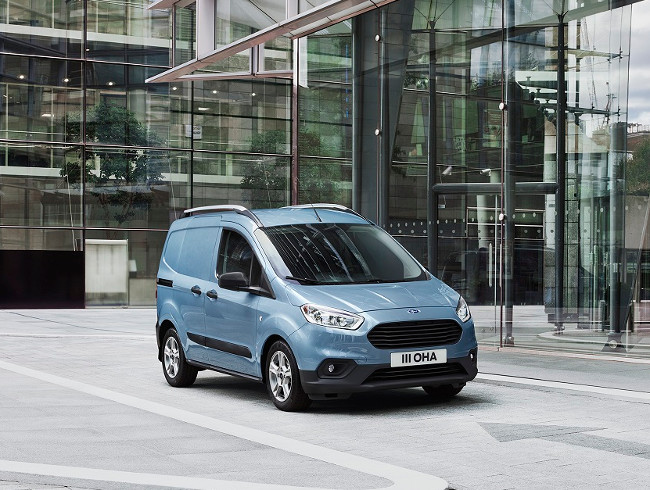
I won’t waffle on about the new front end design, as you can see from the picture above, it adopts the distinctive three-bar Transit grill and includes a modified headlight design. But what’s more interesting are the technical and interior changes.

Engines

Buyers of the updated Transit Connect will be able to choose from Ford’s new 1.5-litre EcoBlue diesel engine or the latest version of its widely-used and popular 1.0-litre EcoBoost petrol engine.

The EcoBlue diesel will achieve Euro 6.2 emissions standards and will also be available with a new eight-speed automatic transmission — a rarity in vans. The petrol engine will include sophisticated features such as cylinder deactivation to run on two cylinders at low loads.

All engines get a six-speed manual transmission as standard.

Service intervals have also been extended in a bid to cut ownership costs. The manual diesel models will now offer “best-in-class variable intervals of up to two years/25,000 miles”.

Personally I’m not keen on this. It doesn’t seem right to me that any vehicle can run on the same oil and without an inspection for such long periods. Long service intervals may not cause problems for a vehicle’s first owners, but I suspect that they are likely to increase wear-and-tear and age-related problems for later owners. Still, that’s probably not Ford’s primary concern. 

New interior

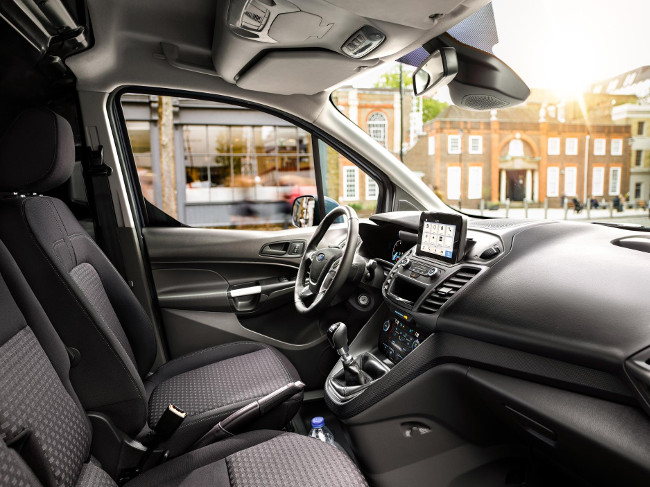
Rant over, here’s a picture of the new interior which will be fitted to Transit Connects. The design language will be familiar to drivers of other small and mid-sized Ford cars and vans, and looks likely to be comfortable and highly functional:

Ford Transit Connect cabin

When the updated Ford Transit Connect goes on sale in mid-2018, it will have an attractive new cabin.

Ford Transit Courier

Changes to the new Transit Courier — Ford’s smallest van — are very similar.

An updated front-end design is combined with a new cabin to provide a fresh and improved feel for this popular small van.

Ford Transit Courier

The updated Ford Transit Courier will be available from mid-2018.

The engine line-up will be similar to the updated Transit Connect. Buyers will be able to choose between an older-generation 1.5-litres TDCi diesel (apparently not the new EcoBlue engine) and Ford’s 1.0-litre EcoBoost petrol. All will get a six-speed manual in place of the outgoing five-speed manual. This should help to improve real-world fuel efficiency.

A new fuel efficiency package will be offered as standard on diesel models, including Ford’s Active Grille Shutter. This is used to closed the radiator grill when the engine is cold in order to retain heat and reduce the engine’s warm-up time — diesels generate less heat than petrol engines and traditionally take longer to warm up, reducing fuel efficiency.

The Transit Courier will be available in a choice of van and kombi styles, with payload capacity from 500-590kg. Drivers wanting a little extra will now be able to choose between the range-topping Sport model or a more luxury-oriented Limited variant.

Questor Insurance logo

Questor Insurance exclusive 10% discount code [EXPIRED]

Questor Insurance logo

For a limited period only, we have an exclusive 10% discount code for Questor Insurance.

We don’t often get the chance to offer such a great discount on Questor’s travel and excess protection policies, so don’t miss out.

Remember: If you need to hire a car or van in a few weeks (or months!) you can still buy excess protection insurance now using this discount code.

*** THIS DISCOUNT CODE HAS NOW EXPIRED ***


Terms and conditions may apply. See Questor website for details.

Questor Insurance logo

[EXPIRED] Questor Insurance 10% discount code – Cyber Weekend!

Questor Insurance logo

If you are planning to hire a van in the next few months, then you can’t afford to ignore this cracking Cyber Weekend 10% discount code from Questor Insurance.

Questor provides excess protection cover for car and van hire. This can be much cheaper than buying the same cover from your rental firm.

Here are the details you need for this great offer:

*** THIS DISCOUNT CODE HAS NOW EXPIRED ***


Terms and conditions may apply. See Questor Insurance website for details.

Avis logo

SAVE with this 10% discount code for Avis car and van rental [EXPIRED]

Avis logo

It’s Black Friday and discounts are everywhere.

But unlike some rivals, car and van rental giant Avis is offering a 10% discount code that’s valid for bookings made until 15 December 2017.

Here are the details for this great discount code offer:

*** THIS DISCOUNT CODE HAS NOW EXPIRED ***


Terms and conditions may apply. See Avis website for details.

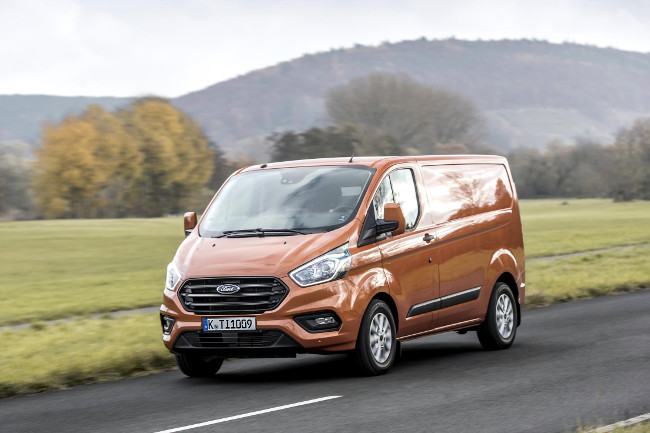
New 2018 Ford Transit Custom

Updated Ford Transit Custom van promises to raise standard in one-tonne segment

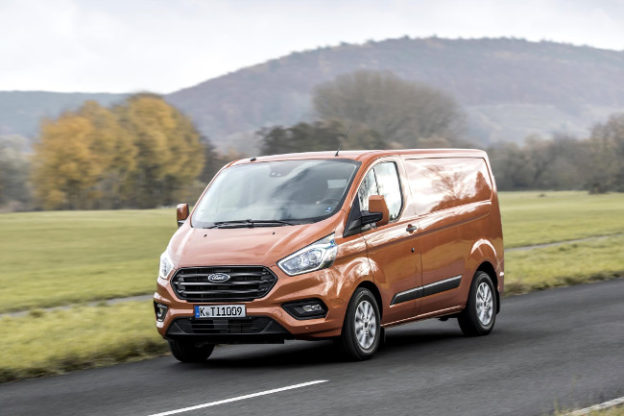
New 2018 Ford Transit Custom

First deliveries of the new Ford Transit Custom are expected early in 2018. The updated model has a new front end plus additional safety tech and communications. It will also be available in a fuel-sipping ECOnetic variant. Image: Ford

Hans Schep is General Manager, Commercial Vehicles, of Ford of Europe. He’s naturally going to talk up his own products, but when he describes the Transit Custom van as “a runaway success”, I don’t think he’s exaggerating.

As we’ve reported a number of times previously, the Transit Custom is outselling its rivals in the UK market several times over. At the end of August, trade body figures showed that 31,868 new Ford Transit Customs had been registered so far in 2017. The models closest rival, the Volkswagen Transporter, had clocked up just 13,041 UK registrations in the same period.

However, it’s easy to forget that the current Transit Custom has been on sale since 2012.  So it’s not a complete surprise to hear that Ford will be launching an updated version of the van later this year.

Under the bonnet

The new model will have an updated front end, featuring Ford’s distinctive new radiator grill design. Under the bonnet, the 2.0-litre EcoBlue that was introduced in 2016 will remain, with buyers getting the choice of 105PS, 130PS and 170PS power ratings.

A new ECOnetic variant will also be available on 300 SWB vans, promising CO2 emissions of 148g/km and official combined cycle fuel consumption of 49.6mpg. Ford says this is a 6% improvement over the most efficient current vehicle.

Among the changes made to achieve this result are low rolling resistance tyres, Auto-Stop-Start, Acceleration Control (which limits acceleration when unloaded) and a fixed 62mph speed limiter.

New interior

Ford says the cabin is “completely new” and uses an instrument panel based on the new design philosophy first seen in the latest Fiesta. The company claims it’s “influenced by consumer interactions with smart devices and tablets” and has “strong horizontal design elements”. See for yourself:
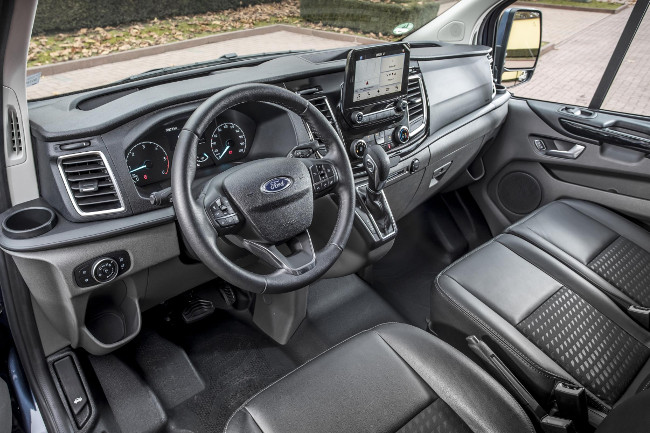
New cabin interior in Ford Transit Custom

The new cabin interior in the 2018 Ford Transit Custom

The focus is on providing a good workspace for drivers who use the van as a mobile office. High-spec vans will get Ford’s SYNC3 infotainment system plus an eight-inch colour touchscreen.

Lower spec models get a four-inch screen, while entry level vans get the MyFordDock in the centre of the instrument panel, allowing drivers to mount and charge their smartphones or sat nav devices. Multiple USB and 12V sockets are provided for easy charging.

Safety first

Less visible but no less valuable are improvements to the safety technology fitted to the Transit Custom. The new van will be available with Intelligent Speed Assist, which acts as a dynamic speed limiter, adjusting the vehicle’s maximum speed to remain within legal limits.

Other new options include the Blind Spot Information System with Cross Traffic Alert, which uses radar sensors to detect when passing vehicles may be in the blind spot, and lights a warning light in the appropriate wing mirror.

Cross Traffic Alert uses the same sensors to warn drivers reversing out of a parking space if nearby vehicles or bicyles are about to pass behind them.

I recently drove a Ford car fitted with both of these systems and I have to say that while I don’t consider them a necessity, they worked well and were very useful. Definitely worth having, as long as they don’t make you lazy.

Other safety options available on the new Transit Custom include Pre-Collision Assist with Pedestrian Detection, Lane Keeping Alert, Driver Alert, Auto High Beam, Rear View Camera, Adaptive Cruise Control and Side Wind Stabilisation.

When will it be available?

Production of the new van is due to start late in 2017. First UK deliveries are expected early in 2018. A new plug-in hybrid model (currently on trial in London) is expected to launch in 2019.

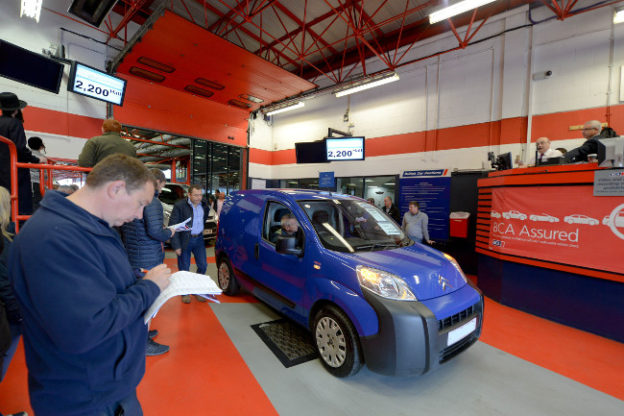
BCA van auction

Used van prices climb but quality gap increases

BCA van auction

Average used van values hit a record high of £6,764 in October, according to remarketing group BCA.

Ex-fleet and lease vans plus older dealer part-exchange models fetched record prices, according to the auction specialist. But BCA warned that demand for used vans is dependent on specification and quality. The pricing gap between the best and worst examples grew during the month, with the firm citing “hard-worked, damaged or base specification” vans as being least desirable.

Looked at over the last year, October’s average price represented a 6% (£386) increase on one year ago. Part of this can be attributed to the ongoing decline in average age and mileage.

As I’ve commented in previous months, higher volumes of younger ex-rental stock have helped to change the age and mileage profile of vans passing through the auction halls.

Interestingly, the trend towards younger, lower mileage vans isn’t just evident at the top of the market. BCA says that the average age and mileage of part-exchange vans (typically the oldest and cheapest at auction) has also fallen versus last year. This is one reason why part-ex values have risen by 9.1% over the last year.

However, what this also means is that more and more van owners and operators are trading up to newer models. With manufacturers offering attractive deals with low-cost financing and leasing options, it’s easy to see why. But I’d imagine that this process must be finite. At some point, I’d expect that everyone who wants and can afford a new van, will already have one.

My money is on a drop in the new and used markets over the next year. Although I’ve said that before and been proved wrong, so who knows?

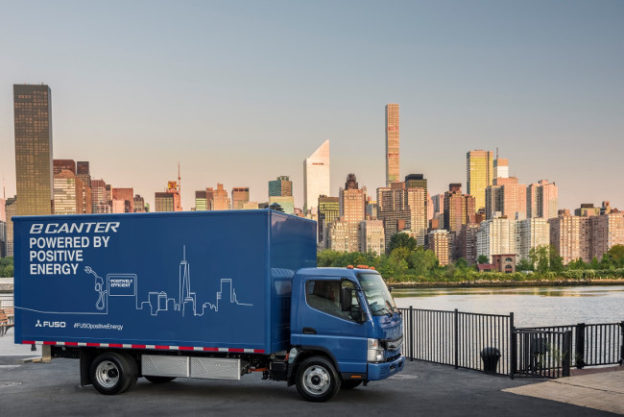
FUSO eCanter electric truck

HGV taxes pay for most road maintenance, says FTA

FUSO eCanter electric truck

Rapid growth in electric vehicle could spell trouble for the Treasury, as fuel duty payments could plummet. 

Here’s an interesting snippet of information about tax and spending.

Between 2015 and 2016, the UK’s central and devolved governments and local authorities spent around £4.7 billion on road maintenance.

How was this paid for? According to trade body the Freight Transport Association (FTA), one way of looking road funding is that HGV operators contributed most of this cash, as they paid a total of £4.4bn in vehicle-related taxes over the same period.

That’s three times more than the estimated £1.5bn of infrastructure damage HGVs are thought to have caused over the same period.

You might wonder how much the rest of us pay  in motor vehicle-related taxes. The answer is that the total UK tax take from motor vehicles during that period was £33.5bn. That’s more than seven times the total road maintenance budget.

Is this for real?

I should point out a couple pf things. The first is that the figures I’ve quoted above include not only vehicle excise duty (road tax) and the HGV road user levy, but also fuel duty.

Another point is that maintenance isn’t the only cost the government must bear. New roads and substantial upgrades cost many billions more. I assume this spending falls outside the scope of the maintenance budget.

Finally, I’d argue that fuel duty isn’t only intended to fund the road transport infrastructure. It’s a tax on pollution and energy consumption, and also an incentive to reduce fuel usage.

Not everyone will agree with this view. But it does seem very likely that the taxes provide by motorists make a contribution to the national budget which stretches far beyond road building and maintenance.

One thing I would point out is that if electric cars and vans do start to gain a significant market share, then be prepared for a new type of tax for these vehicles. They may be tax-favoured at the moment, but there’s no way — in my opinion — that the Treasury could afford to lose a significant chunk of fuel duty if we all start to drive electric.

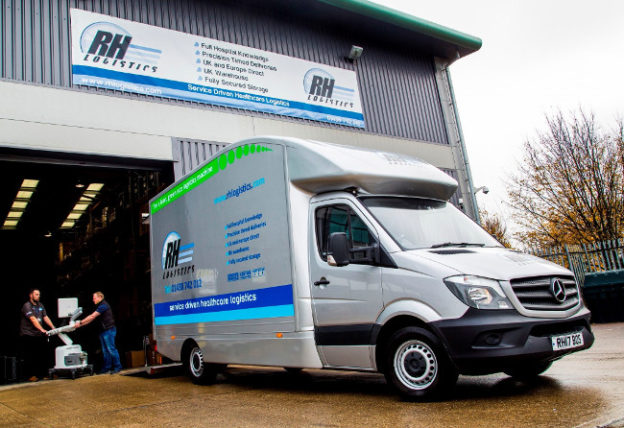
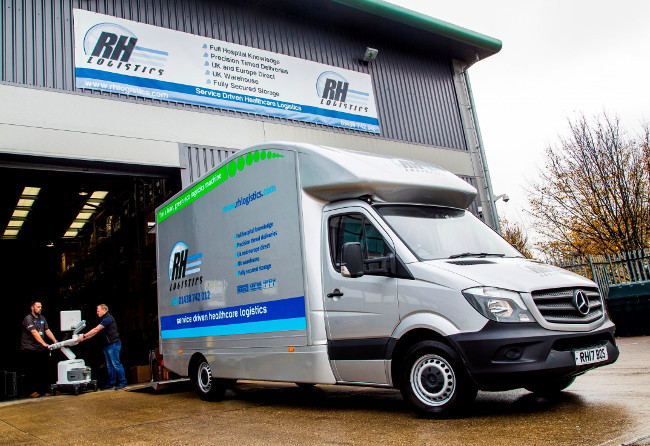
RH Logistics Mercedes-Benz Sprinter

150,000 miles per year in a van: “buy cheap, you buy twice”

RH Logistics Mercedes-Benz Sprinter

Where vans are concerned, if “you buy cheap, you buy twice”.

That’s the view of RH Logistics Managing Director Richard Hindle, who operates 12 Mercedes-Benz Sprinters alongside six French-built vehicles, delivering high-value hospital equipment throughout the UK and Europe.

The company’s Sprinters are a mix of panel vans and streamlined Lutons featured Eco Box bodies supplied by Manchester’s Alloy Bodies. These are built on long wheelbase Sprinter 316CDI chassis cabs and are — according to Mr Hindle — returning 32mpg on long distance work that sees the vans clock up 150,000 miles per year.

That’s a lot of miles by any standards. Such a testing usage cycle has enabled Mr Hindle to sort the wheat from the chaff in the van market. He says that after giving into the temptation of buying vans with a lower upfront price, he came to regret the decision:

Where vans are concerned, ‘You buy cheap, you buy twice’. We’ve tried various other makes of van and found that we get two-and-a-half, maybe three years’ use out of them, then they die. Whereas after the same period a Sprinter is still fresh and good to go again.”

He’s also happy with the brand image provided by Mercedes vans, saying that even after three years (and perhaps 450,000 miles), “they still look new”.

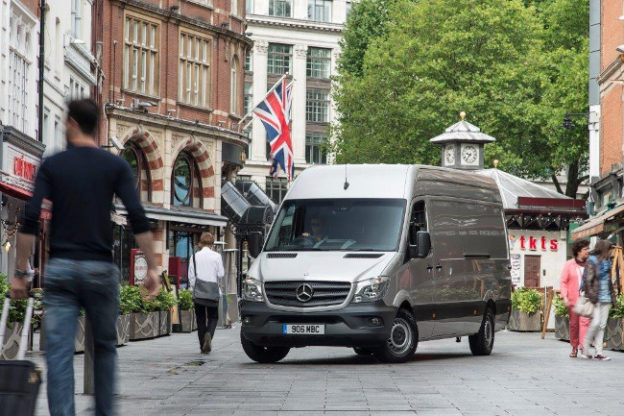
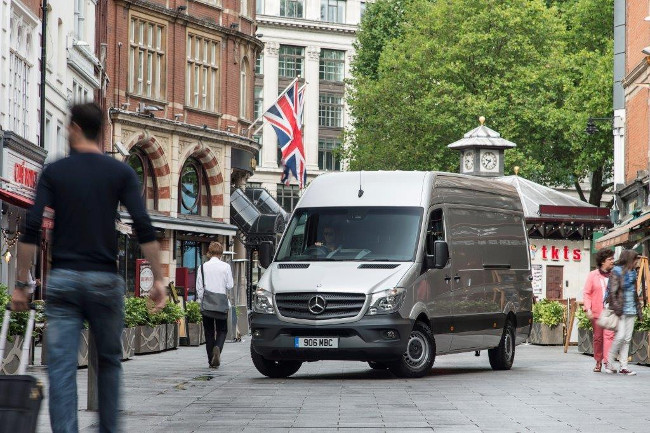
Mercedes-Benz Sprinter

Mercedes launches “Scrappage and Swappage” for vans

Mercedes-Benz Sprinter

The recent introduction of the London Ultra-Low Emissions Zone (ULEZ) has brought home the problems faced by operators of older vans.

It can now cost up to £21.50 per day to take a non-Euro 4 (pre-2005) van into the capital. And in 2019, things are likely to get tougher. A number of other UK cities are expected to introduce ULEZs, and the threshold for the ULEZ charge is expected to be lifted to Euro 5.

One way to avoid being hit by these charges is to use rental vans. But this won’t be suitable for everyone, especially operators of older vans doing low mileages but that are in use everyday.

And although we’d all like to be driving around in a brand-new, low-emission van, this just isn’t affordable for everyone, either. This reality has been acknowledged by Mercedes-Benz Vans UK, which has just launched a Scrappage and Swappage programme aimed at helping van owners to gradually move towards Euro 6, without having to switch into a new van immediately.

Commenting on the scheme, Steve Bridge, Managing Director, said:

I’m not surprised that most of the headline-grabbing scrappage schemes available to motorists have been received with a degree of scepticism by the media and the general public; it isn’t always financially viable for someone to come out of an aged vehicle straight in to a new van.

“This is why we have explored all our options in terms of genuinely supporting customers to be in cleaner, newer models as this doesn’t always mean a new van; we’ve been offering EU6 on some models since 2015. To offer a Scrappage and Swappage programme supports our commitment to having the safest and cleanest vans on the road and underpins our pledge to keep Britain’s businesses moving.”

What’s the deal?

The Scrappage element of the programme is aimed at owners of Euro 1 through Euro 4 vans. In return for scrapping their vehicle, customers will get a deposit contribution of between £1,000 and £5,600 towards buying an new or Approved Used Euro 6 van.

The Swappage programme is a little different. This targets small fleets and retail customers with up to 24 Euro 4 or Euro 5 vans. These customers can ‘swap’ their older vans for a new Euro 6 Mercedes van with the help of a deposit contribution of between £2,000 and £5,100.

This seems a sensible offer to me. By allowing you to buy used, it’s a bit more flexible and affordable than most other manufacturers’ scrappage schemes. It may also help to stimulate a little more demand for new vans, in a market which appears to be slowing.

Any restrictions? Don’t hesitate too long. Vehicles purchased under both of these offers must be registered by 31 December 2017. A maximum of 24 units applies per customer, and customers must part-exchange a pre-Euro 6 vehicle of which they are the registered keeper.