Ford Transit EcoBlue

Ford: Transit EcoBlue could save £1,250 over 80,000 miles

Ford’s best-selling Transit and Transit Custom vans will now benefit from a reduction in fuel consumption and a significant fall in CO2 emissions, thanks to the firm’s all-new EcoBlue diesel engine.
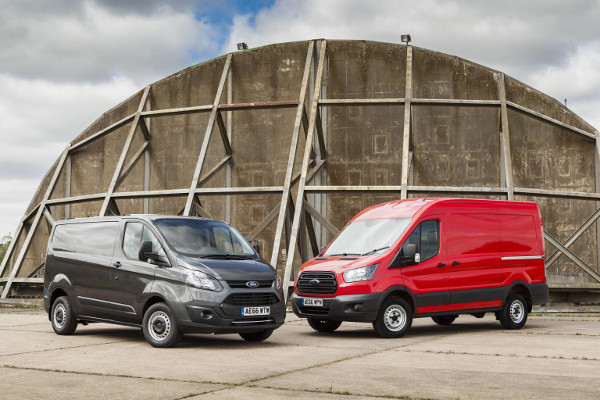
Ford Transit EcoBlue

The Ford EcoBlue 2.0-litre diesel will replace the 2.2-litre TDCi engine previously used across the Transit and Transit Custom ranges. EcoBlue promises to deliver improvements in fuel efficiency of up to 13% and CO2 emissions from just 157g/km, along with improved low-end torque.

The new engine is avaialble now and offers three power levels, 105PS, 130PS and 170PS. Low-end pulling power is said to be improved across the range, with 20% more torque available at 1,250rpm. That means responsive, relaxed performance during regular driving — and fewer gear changes.

Transit models equipped with the new engine and optional Auto-Start-Stop will deliver average fuel consumption of 42.8mpg and CO2 emissions of 174g/km, says Ford. The equivalent figures for the smaller Transit Custom are 46.3mpg and 157g/km.

Ford believes the engine’s improved fuel efficiency could save van operators up to £1,250 over 80,000 miles, based an operator replacing an outgoing Transit Custom 100PS model with an EcoBlue 105PS model.

Service intervals have also been extended and are now two years/36,000 miles for both Transit and Transit Custom models. Personally, I like the idea of such long intervals for high mileage users. However, I can’t help feeling personally that two years is just too long for a vehicle to go without an oil change and mechanical inspection. Maybe I’m just old fashioned…

New Transit AWD

Ford also used the IAA Commercial Vehicle Show in Hanover as an opportunity to showcase an updated all-wheel drive system for the Transit.

The new intelligent Transit AWD system combined the front differential and AWD coupling into a single unit, reducing weight by 10kg and allowing the driveline to be packaged more efficiently around the EcoBlue engine.

The electronically-controlled coupling can vary front/rear torque distribution by between 0:100 and 50:50. Auto AWD mode is used for standard driving, while an AWD Lock mode is available for times when permanent four-wheel drive is required.

Transit AWD models can be specified with either the 130PS or 170PS Ford EcoBlue engines, across a range of panel van and chassis cab body styles. The new Transit AWD will be available to order later this year for delivery in 2017.

Improved auto gearbox

No one can accuse Ford of resting on its laurels. In addition to the new EcoBlue engine and AWD system, the firm unveiled a new six-speed SelectShift automatic transmission for Transit and Transit Custom vans at the IAA Show.

The new system is based on a design that’s been proven in the North American market, where it’s been used in front-wheel drive vehicles with a torque capacity of more than 415Nm. The new system will be available in Transit Custom and front-wheel drive Transit models specified with 130PS or 170PS engines. Auto-Start-Stop will be standard on all automatic variants.

Ford says that the SelectShift system has an average gear shift time of less than 0.5 seconds and has been optimised for commercial users. Manual shifting is available if required, using a switch on the gear lever.
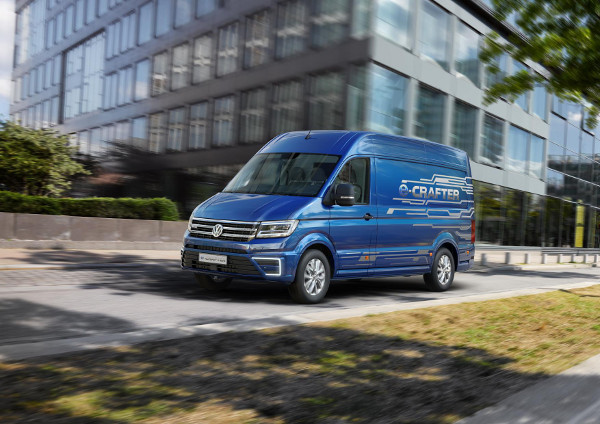
 

Volkswagen e-Crafter electric van

Volkswagen unveils e-Crafter electric van concept

Volkswagen has unveiled an all-electric version of its new Crafter van at the IAA Commercial Vehicle show in Hannover.

Although it’s still a concept at this stage, the firm says that an electric Crafter was always part of the plan for the new range and that the first e-Crafter vans “will be in customer hands by 2017”.

Volkswagen e-Crafter electric van

The Volkswagen e-Crafter electric van concept is expected to go into production in 2017.

VW says that the e-Crafter will have the same loadspace as conventionally-powered models, with a payload of up to 1.7 tonnes. Maximum speed will be limited to 80km/h (50mph), enabling the e-Crafter to deliver a range of more than 200km (125 miles).

However, VW says that future options may include more powerful battery packs providing a range of up to 400km (250 miles).

The concept vehicle’s battery pack, which is made up of 312 cells and has a total capacity of 43 kilowatt hours, is accommodated in under the cargo space floor, so it doesn’t alter the internal space that’s avaialble. Drivers with access to a fast charger will be able to charge the 43kWh battery to 80% capacity in just 45 minutes.

More details to follow when the e-Crafter goes into production.

UK CV production falls as exports slump in August

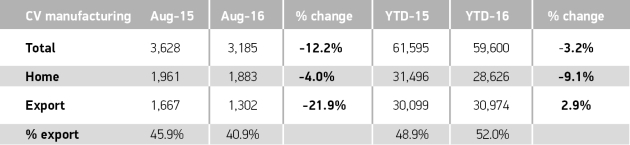
UK commercial vehicle production fell by 12.2% to 3,185 units in August, thanks to a 21.9% drop in the number of vehicles exported.

The figures, compiled by the Society of Motor Manufacturers and Traders (SMMT), show that total UK CV production has now fallen by 3.2% so far this year, compared to the same period last year.

CV output, August 2016

UK CV output, August 2016 (source: SMMT)

After the rapid recovery seen in 2014/15, a moderate slowdown in demand isn’t entirely surprising. It’s probably fair to assume that the backlog of renewals has now cleared and companies are moving back to a normal replacement cycle.

Commenting on the figures, Mike Hawes, SMMT chief executive, said:

“Underlying demand for UK CV production is broadly stable, despite the headline falls that are predominantly due to a strong performance in 2015 driven by regulatory changes that altered fleet renewal patterns. It’s a trend we expect to continue throughout the year. For long term strength to be upheld, maintaining competitive trading conditions and global demand will be vital.”

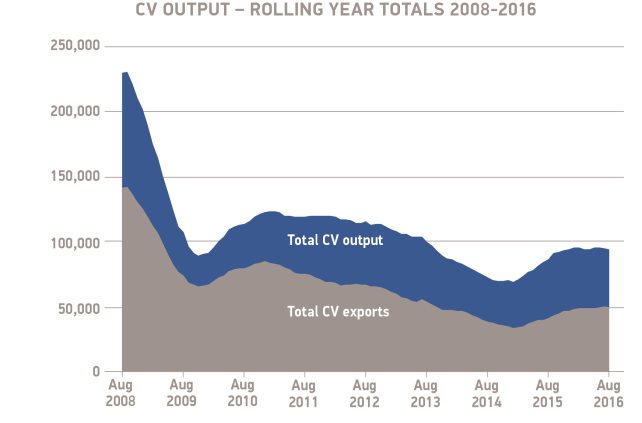
Here’s how CV output has changed since 2008. The ramp up in demand over the last couple of years is clear. In comparison, last month’s slowdown is quite modest. I don’t think it’s a cause for concern.

CV output rolling year Aug 08-16

Source: SMMT (www.smmt.co.uk)

Southern Self Drive logo

Portsmouth & Fareham van hire: Southern Self Drive

Southern Self Drive logoI’m very pleased to welcome Southern Self Drive of Portsmouth and Fareham to vanrental.co.uk.

Southern Self Drive has branches in Portsmouth and Fareham and offers a wide range of vans for hire. These include:

  • Compact vans (e.g. Peugeot Bipper)
  • Small vans (e.g. VW Caddy, Nissan NV200)
  • Medium vans (e.g. Ford Transit Custom SWB)
  • Long wheelbase bans (e.g. VW Crafter LWB)
  • Luton box vans with and without tail lifts
  • 3.5t dropwell luton vans — maximum cubic capacity for removals
  • 3.5t dropside
  • 3.5t tipper
  • 7.5t box van with tail lift

As you can see, there’s something for almost all requirements. If that’s not enough, Southern Self Drive also offers car transporter hire, minibus hire and a wide range of cars.

All vehicles come with insurance and breakdown cover. A delivery and collection service is available, covering most areas in Hampshire, Dorset, Sussex, Surrey, Essex and Kent.

Southern also offers a Continental hire services for vans, allowing drivers to travel outside the UK. You’ll need to arrange this in advance and additional charges will apply, as is usual for this service.

To find out more or to arrange a hire, contact Southern Self Drive direct:

If you’d like to see your van hire business listed on vanrental.co.uk, visit our advertising page to sign up.

TISPOL Project EDWARD

Can we do it? A European Day Without A Road Death in 2016

TISPOL Project EDWARDVirtually all of us have pushed our luck behind the wheel at some point. Driving when tired, distracted, on the phone or even after a few drinks. Risky overtaking manoeuvres.

But the reality of this kind of behaviour is that it can lead to tragic and avoidable road deaths — and shattered lives for those who are left behind.

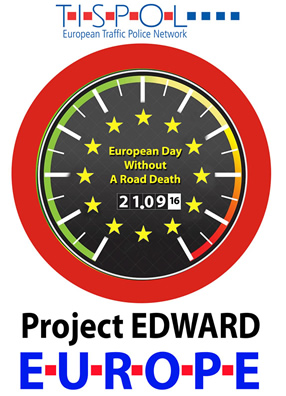
That’s why we are supporting the Europe-wide initiative by TISPOL, the European Traffic Police Network, to work towards a European Day Without A Road Death (Project Edward) on 21 September 2016.

Anyone wanting to support Project Edward is simply asked to take and keep the pledge below:

  • Remind my family, friends and colleagues to take extra care on the roads.
  • Put my lights on for safety.
  • Drive as safely as I can and follow the rules when behind the wheel or riding a motorbike or bicycle.
  • Be extra vigilant and attentive to the needs of pedestrians, cyclists, children, older people and horse riders.
  • Drive at speeds that are both legal and safe.
  • Pay particular attention when driving near schools, and where there are lots of children.
  • Never drive after drinking alcohol or taking drugs/medicines that could impair safety.
  • Look as far ahead as possible and not tailgate other drivers
  • Always wear my seat belt and ensure that everyone with me wears theirs.
  • Not use my mobile phone while driving.
  • Ensuring I am not distracted by anything inside or outside the car, or inside my head.
  • Set a good example to my passengers by driving calmly and safely.

To take the pledge yourself, visit the Project Edward website — click here.

Jersey Post Nissan e-NV200 van

Jersey Post’s e-NV200 vans should deliver electric conversion for islanders

Given that the island of Jersey is only about 12 miles long, you’d have to wonder why local businesses are not all using electric vehicles already. Range anxiety is unlikely to be a problem and the winters are mild, reducing the chances of cold weather performance problems.

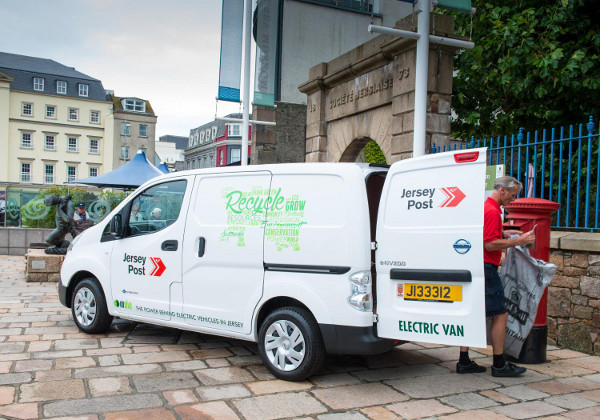
It seems that Jersey Post — at least — is getting the message. The Channel Island’s postal service recently bought 15 Nissan e-NV200 electric vans to use for mail delivery across Jersey.

Jersey Post Nissan e-NV200 van

Jersey Post Nissan e-NV200 van

The electric vans are the first electric vehicles to be added to the company’s fleet of more than 100 vehicles and their purchase follows an 18-month trial.

Andy Jehan, Director of Operations at Jersey Post, now seems to have the bit between his teeth. Mr Jehan sounds like an enthusiastic convert to electric vehicles:

“The Nissan e-NV200 was the right vehicle for us on every level. The vans are going to make a very significant contribution in our ambition to lower the environmental impact of our fleet and help preserve the beauty of our island – both in terms of carbon emissions and noise – and they’re also ideal for the short distance, stop/start driving that the job involves.

“The value is exceptional too, our decision to switch being ultimately based on the financial projections we have made on whole life costs. If our projections prove accurate, then there’s no reason why many more of our vehicles shouldn’t be electric.”

The addition of the advanced all-electric vans will reduce Jersey Post’s carbon footprint by 35 tonnes a year. Nissan’s 100,000 miles, five-year warranty means that Jersey Post shouldn’t have any worrise about reliability issues — the vans were supplied and will be maintained by the island’s own Nissan dealer.

Nissan claims that low running costs mean that the e-NV200 will cost £1,200 less to run than a conventional diesel van over four years. Given the low mileage, stop-start conditions for driving on the Channel Islands, you’d have to imagine that if the e-NV200 vans are trouble free, local sales of electric cars and vans could rocket.

All-new Volkswagen Crafter

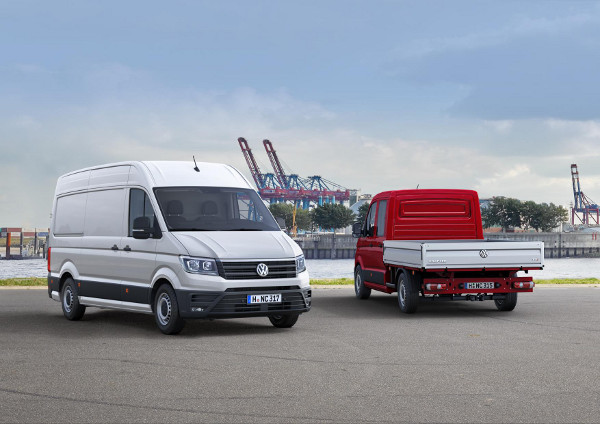
All-new Volkswagen Crafter unveiled at global launch

No fewer than 69 versions of the new Volkswagen Crafter will be available to order by mid-2017.

The all-new model marks a bold change for Volkswagen, as previous versions of the Crafter have simply been Mercedes-Benz Sprinters fitted with VW engines.

All-new Volkswagen Crafter

Here’s an overview of the choices that will be available once the model roll-out is completed next year:

  • 4 base models, 3 lengths, 3 heights
  • Front, rear or 4MOTION all-wheel drive
  • Manual or automatic gearbox
  • Payload of up to 5.5 tonnes (i.e. 7.5 tonne gross weight?)
  • Maximum cargo volume of 18.4 cubic metres
  • Panel van, single and double cab chassis cab models plus conversion options such as tippers
  • The new Crafter will be available ex-factory with additional equipment such as ex factory as a second compressor for refrigeration or fresh produce applications, four variants of a second battery, a second air conditioner and a second heat exchanger for a fuel-operated auxiliary heating system.

Essentially the Crafter offers everything that the Mercedes Sprinter, Iveco Daily and Ford Transit offer — the three other heavy vans in the market from which VW will hope to take market share.

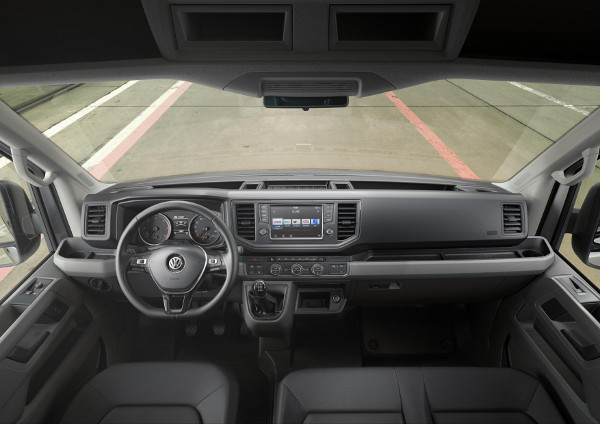
Cab shot of new Volkswagen Crafter

Inside the new Volkswagen Crafter

One criticism of past Crafters is that they lacked pulling power when fully loaded, due to using car-derived 2.0 TDI engines. Volkswagen says that the Euro 6 EA 288 Commercial 2.0-litre TDI engine used in the new van is has been developed to meet the needs of commercial use and should offer an improved performance.

Pre-sales of the new Crafter begin in November 2016. UK launch is expected in Spring 2017. The first models to hit the roads seem likely to be front-wheel drive models, which will offer gross weights of 3.0-4.0t and engine power ratings from 102 PS to 177 PS.

From around mid-2017, the powertrains on offer will be supplemented by the 4MOTION all-wheel drive system with a transversely mounted engine and the rear-wheel drive system with a longitudinally mounted engine.

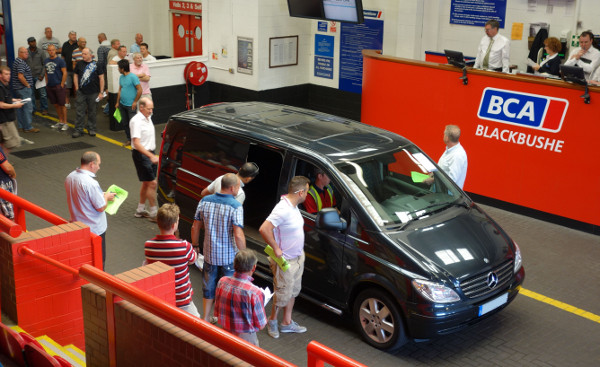
BCA van auction

Used van prices set £6,000+ record in August — BCA

Used van prices at BCA set a new record in August, rising over £6,000 for the first time to £6,089. That’s 2.6% (£158) more than in July, and 10.5% (£582) more than in August 2015.

Of course, vehicle mix and average age will have affected this high price. Vans sold last month were on average two months younger and had 5,000 fewer miles on the clock than in August 2015:

All vans Avg Age (mnths) Avg Mileage Avg Value
August 2015 55.78 75,763 £5,507
August 2016 53.66 70,853 £6,089

Data courtesy of BCA

BCA’s Head of Commercial Vehicles, Duncan Ward, commented:

“The LCV market in August was particularly strong at BCA considering the holiday season was still in full swing. Conversion rates improved and demand was significantly stronger than we had seen in July.”

BCA van auction

August’s rise was the result of a sharp rise in values for vans sold as part-exchange vehicles. The average price of a part-ex van rose by £282 to more than £4,000 in August.

In contrast the average value of ex-fleet and lease vans rose by just £1 in August. These 3-4 year old vehicles form a large part of the used van market and are perhaps the most liquid and consistent indicator of market conditions.

Condition remained as important as ever in terms of securing a decent price, but Duncan Ward also commented that with wholesale volumes rising, “there is no room for complacency” — despite recent price rises.

I’d take this to mean that Mr Ward believes prices are unlikely to rise further and could fall — but we’ll know more when September’s sales figures go through.

Back to uni in a van

Heading to University? There are still a few vans left!

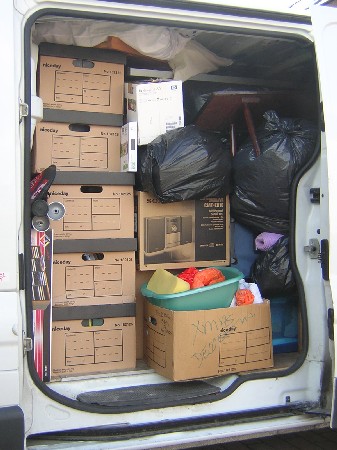
Moving house with a van

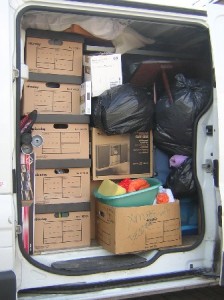
You just can’t get all of this into a car!

The ‘university commute’ is now gathering speed.

Even as I write, many of the UK’s 1.7 million undergraduate students are moving out of their parents’ homes and into university accommodation.

Each year, we see a big surge of demand for rental vans at this time. But availability is limited.

Renters who wait until the last minute to book may be disappointed, or forced to rent a van that’s much bigger or smaller than they want.

If you or your children are heading to university this autumn and you’re planning to hire a van, act now! The big hire companies still have some availability in most areas, but popular vans and locations are selling out fast!

To make sure you don’t miss out, start now. To compare quotes from leading UK van hire companies, click here now.

If you’re not sure where to start, then here are a few suggestions:

Finally, if you’ve got any questions about anything to do with van hire, leave a comment or get in touch and we’ll do our best to help:

GVT OX

Flat-packed OX van is ready to roll

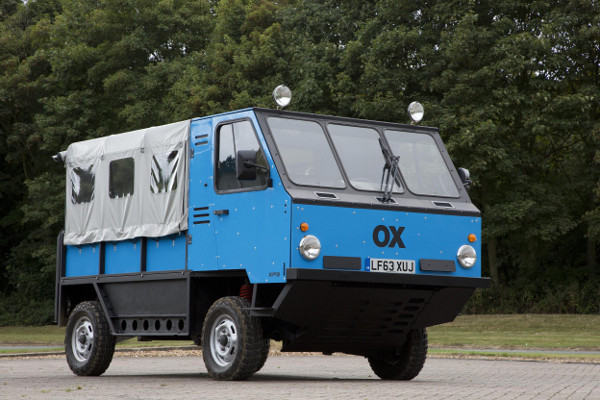
Back in 2013 we reported on the OX, a flat-pack truck designed for Africa. Fast-forward three years and the OX is ready to go into production.

GVT OX

The Global Vehicle Trust OX, designed by Professor Gordon Murray

THe OX is the result of several years of hard work by Sir Torquil Norman’s Global Vehicle Trust and designer Gordon Murray. The flat-pack design means that six flat-packed OX’s can be shipped in one 40ft high-cube shipping container. Three trained technicians can put together an OX in approximately 12 hours, so assembly time is fairly minimal.

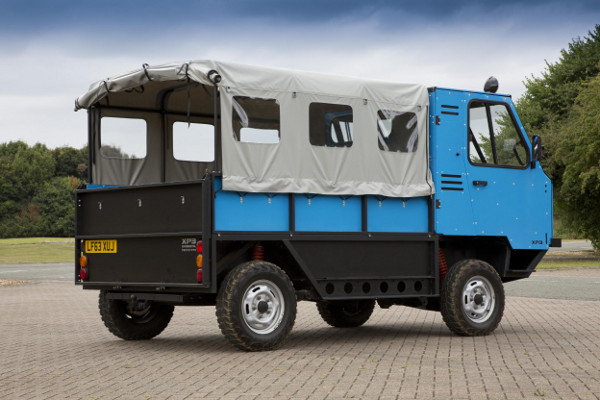
The OX is only 4.3m long — significantly less than a short wheelbase van or a pickup. Despite this, the load area is big enough to hold eight 44-gallon drums, three Euro pallets or 13 people. Maximum payload is 1,900kg — roughly double most medium vans and pickups.

The GVT OX

The Global Vehicles Trust OX, designed by Gordon Murray.

As it’s primarily designed for Africa, the OX has to be able to perform well off road. Although it’s two-wheel drive, the OX has been engineered to ensure that a the front (drive) wheels are always well loaded with weight, providing good traction in all conditions. GVT believe that the OX’s all-terrain ability is “as good, or better, than a four-wheel drive across a range of surfaces”.

The OX is powered by a 2.2-litre diesel engine that’s taken from a Ford Transit. The engine and running gear should be reliable and relatively straightforward to service, albeit not as simple and indestructible as older non-turbo diesel engines might be.

GVT founder Sir Torquil Norman says that feedback from aid agencies and contacts in Africa has been positive. Sir Torquil is now focused on finding funding to put the OX into production. There’s no word on the likely price, but low cost was one a key element of the design brief, so I’d expect the price to be significantly lower than a European van or pickup.