Category Archives: Van News

News and articles about UK vans – especially information relevant to the van hire market. Coverage of new van model launches from all the major manufacturers – Ford, Mercedes, Volkswagen, Peugeot, Fiat and Citroen.

Peugeot Traveller

Peugeot enters luxury minibus market with new Traveller

Peugeot is aiming to replicate the success of Mercedes, Volkswagen and Ford by introducing a VIP shuttle/MPV model on a platform which will also be used for a medium van.

Peugeot Traveller

The Peugeot Traveller will compete head-on with 8/9-seater luxury minibuses such as the Mercedes Vito Tourer and Viano, Ford’s Tourneo Custom and the VW Transporter Shuttle and Caravelle.

The new vehicle will be based on Peugeot’s Efficient Modular Platform 2 (EMP2), which will also be used by Citroen and Toyota. Power will be provided by Euro 6 BlueHDi diesel engines, fitted with both Selective Catalytic Reduction (SCR/Adblue systems) and Diesel Particulate Filters (DPF). Options offering up to 180hp and 400Nm of torque will be available.
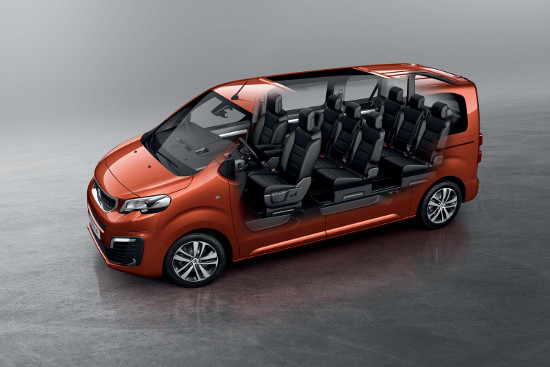
Peugeot Traveller

Buyers will be able to choose from internal configurations offering up to 9 seats and 1,500 litres of boot space. The Traveller will be available in three lengths, from 4.6m – 5.3m and with an unusual roof height of 1.9m. This means that the Traveller will be able to enter the vast majority of height-restricted car parks, unlike its peers.

The Traveller range will be built around two main ranges, each of which be available in two trim levels:

  • For private individuals, a Multi Purpose Vehicle (MPV) with Active and Allure trim levels available in 5, 7 or 8 seat versions;
  • For professional people carriers, the shuttle with Business trim levels is available (in 5 to 9 seat versions) and the range-topping Business Plus is available in 6 or 7 seat versions.

The range-topping Traveller Business Plus will offer four leather armchairs and, tri-zone climate control and all the luxury extras you would expect in a VIP shuttle.

Peugeot Traveller Business Plus

Inside the Peugeot Traveller Business Plus VIP shuttle

Other features relatively unusual features that will be available on the Traveller include hands-free sliding side doors, head-up display and road sign reading system for the driver, plus an opening tailgate rear window and a glass roof panel.
BCA LCV auction January 2016

Younger used van stock drives prices higher

The average used price for used vans and other light commercials sold at BCA in January was £5,901. That’s 1.5% more than in December and 8% more than in January 2015, according to the latest figures from the auction specialist.

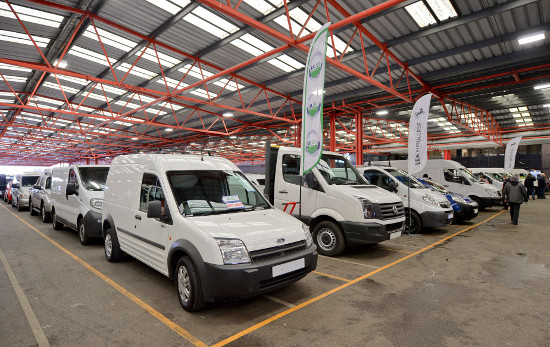
BCA LCV auction January 2016

These headline prices don’t tell the full story, however. The relentless rise in new van sales over the last few years appears to be feeding through into the used market. Vans sold by BCA during January were on average five months younger than those sold in January 2015:

All vans Avg Age (mnths) Avg Mileage Avg Value Sale vs CAP
Jan 2015 59.55 79,676 £5,460 101.71%
Jan 2016 54.94 73,881 £5,901 101.21%

Data courtesy of BCA

Given the lower average mileage and age, higher prices are not surprising. The fact that the sale vs CAP (book) price has remained almost unchanged suggests to me that used prices are probably fairly flat, in real terms.

Market conditions to appear to be buoyant, however. There doesn’t seem to be any softening in demand for used vans as a result of higher levels of new sales.

Commenting on the figures, BCA’s LCV Operations Director, Duncan Ward said:

“January saw strong levels demand for LCVs at BCA and a buoyant marketplace as average values climbed. The overall sentiment from trade buyers is that retail demand is good and this is keeping the auction halls busy as they compete for stock. Over recent months we have seen a better mix of product available for buyers with a wider choice and less duplication of models. This, combined with a reduction in the overall age and mileage profile, resulted in healthy average selling prices during January.”

“If we see a similar model mix going forwards, we expect February and March to be relatively strong for LCV residual values, based on our experience from previous years. However, there are signs of a two tier market developing as the best presented and specified vans typically outperform the market by some margin, while higher mileage or damaged examples can struggle to attract attention from the buyers. It underlines the importance of appraising and valuing vehicles sensibly and in line with market expectations.”

What’s happening in the fleet sector?

Interestingly, in the largest volume sector of the market, fleet and lease vans, the changes in average age, mileage and sale price were much smaller:

Fleet/Lease Avg Age (mnths) Avg Mileage Avg Value Sale vs CAP Sale vs MRP
Jan 2015 42.47 71,320 £6,478 100.70% 38.38%
Jan 2016 42.60 69,351 £6,620 100.90% 34.56%

Data courtesy of BCA

Here we can see that average age is almost unchanged, at 42.6 months, while average mileage has only fallen by 2,000. Prices are much flatter too, with only a 2.2% year-on-year increase to £6,620. However, this is well below the all-time fleet and lease high of £7,049 seen in March 2014.

The only factor that did change significantly is the Sale vs MRP (manufacturer’s retail price), which fell from 38.4% to 34.6%. This suggests to me that the underlying trend is downwards — used buyers are paying less relative to the cost of a new van. However, this change seems to be happening at a very moderate pace. I don’t think it’s a big concern at the moment.

SMMT - UK Van Registrations Jan 2010 - Jan 2016

Van registrations cool in January with 4.3% fall

After hitting an all-time high of 371,830 in 2015, new van registrations fell by 4.3% in January, according to the latest figures from the SMMT.

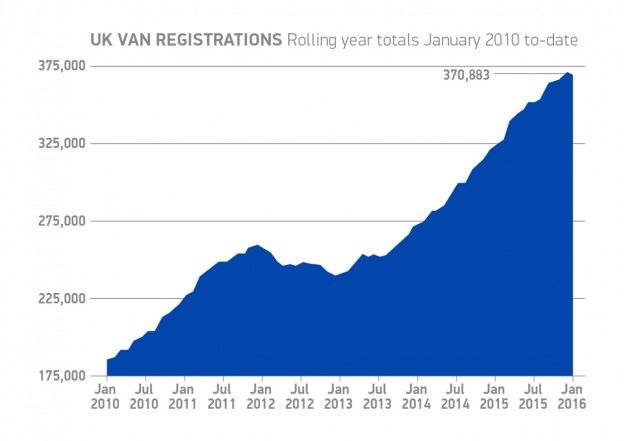
Is this a cause for concern? Not necessarily. A small decline after five consecutive months of gains is hardly unusual. New van registrations have risen dramatically since 2013 and are perhaps due to slow down and return to more normal levels.

After all, I suspect that all the van operators who deferred vehicle replacements during the recession have probably now brought their vans up to date. This is certainly the impression I get from the number of new vans on the road, being run by businesses of all sizes.

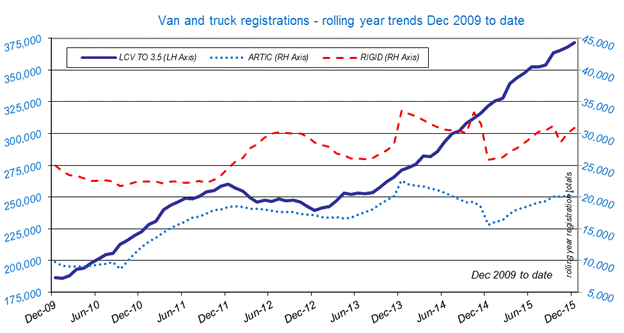
Perhaps the best way to explain why a slowdown is quite logical is with this graph:

SMMT - UK Van Registrations Jan 2010 - Jan 2016

Graph courtesy of SMMT (www.smmt.co.uk)

(Data c

Looking at the figures in more detail, 21,102 new light commercial vehicles (LCVs) were registered in January – the first month of decline since July 2015.

Demand for vans below 2.0 tonnes and between 2.0-2.5 tonnes fell by 11.8% and 23.3% respectively in the month, but better news came from the 2.5-3.5 tonne market – the sector’s largest – where a 2.1% increase in registrations continued the trend towards heavier vehicles, driven by operators’ desire to maximise fleet efficiency.

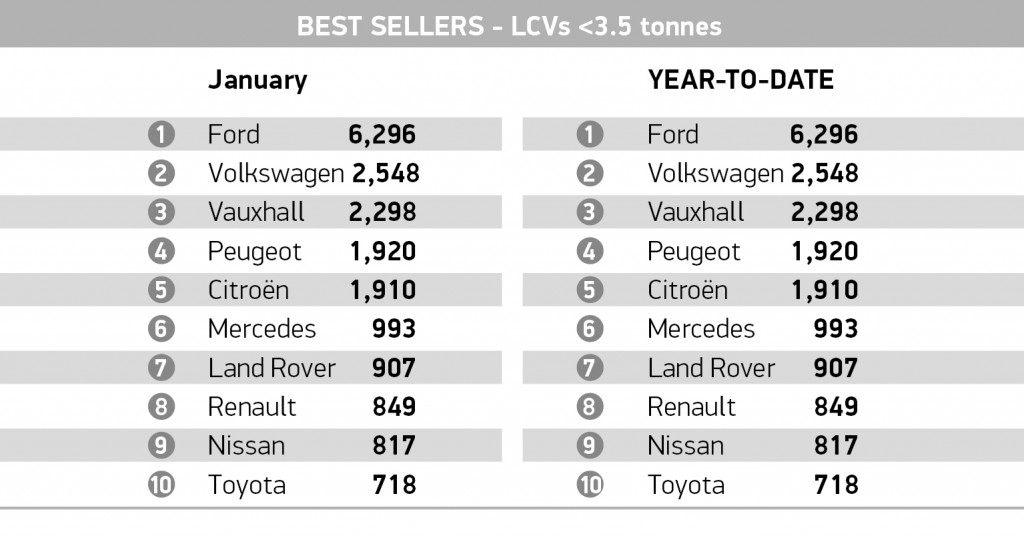
In terms of marques, the list of bestsellers contained few surprises, with Ford, VW and Vauxhall taking the lion’s share of registrations:

SMMT Jan-16 van bestsellers

Graph courtesy of SMMT (www.smmt.co.uk)

Commenting on this month’s figures, Mike Hawes, SMMT chief executive, said he expected continued moderation this year with strong underlying demand:

“On the heels of a record-breaking 2015, which saw LCV registrations grow by an impressive 15.6%, January’s levelling off in demand comes as no surprise, and is indicative of what we can expect for the coming year. The overall market remains very strong, with business confidence high and the trend for home deliveries still growing.”

SMMT logo (copyright SMMT)

Automotive recycling takes another step towards 0% waste

One of the hallmarks of really remote places where few people live is often — sadly — that old vehicles are dumped at the side of properties or on wasteland, rather than being properly scrapped.

SMMT logo (copyright SMMT)Not only are they an eyesore, but they’re also an environmental and safety hazard as they degrade. They are also increasingly illegal. The End of Life Vehicles Directive requires cars and vans up to 3.5 tonnes to be disposed of in an envrionmentally responsible way.

Car and van manufacturers generally provide this service free of charge, and it’s surprising how much of a car is recycled. According to the Society of Motor Manufacturers and Traders (SMMT), manufacturers are now required to recycle and recover 95% of old vehicles.

Vehicle manufacturing plants are also under pressure to cut waste and resource usage. Less than 2% of manufacturing waste went to landfill in 2014. This represents a 90% reduction since 2000. Over the same period, energy and water usage have also fallen, by 48.1% and 43.6% respectively.

However, what if there is no manufacturer? What if you drive a Rover or Saab car, or an LDV van (in which case you’re already unlucky…)? Apparently, vehicles made by defunct manufacturers are known as orphan vehicles.

Owners of orphan vehicles can still ensure they are recycled by taking them to recycling centres, formerly known as breaker’s yards. The trouble is that if you live in rural areas, these may be some distance away. Quite often this isn’t practical — even if you’re willing to drive to your nearest recycler, you may not be able to get back home, for example.

According to the SMMT, there are an estimated 700,000 orphan vehicles on UK roads. All of these will eventually need to be recycled. To improve recycling rates and ensure the industry as a whole meets its environmental obligations, the SMMT has partnered with recycling company Autogreen to recycle all unclaimed vehicles at no cost to their owner or the general public.

If you have a vehicle which needs recycling, you can find more information here.

Nissan NP300 Navara with hardtop

Nissan rolls out accessories for new NP300 Navara pick-up

The new Nissan NP300 Navara pick-up goes on sale this month (price and spec details here), making it the newest entrant in this very popular segment. It’s a good-looking truck and the driving experience is significantly better than the old model, especially on road.

Nissan NP300 Navara with hardtop

New Nissan NP300 Navara with hardtop

The only problem with pick-ups is that if we’re honest, the pick-up load space is often a very poor substitute for a boot or a van’s load compartment. Pick-up load beds are exposed to the weather, items tend to slide around uncontrollably, and are hard to reach without climbing in. Plus, of course, the open load bed of a pick-up is completely insecure!

These problems are common to all pick-ups, mainly when they are being used as private vehicles rather than workhorses, as is increasingly common. Tonneau covers and hardtops have always been available but Nissan has upped its game with the new NP300 and is offering its widest-ever range of load bed accessories, some of which it says are sector firsts:

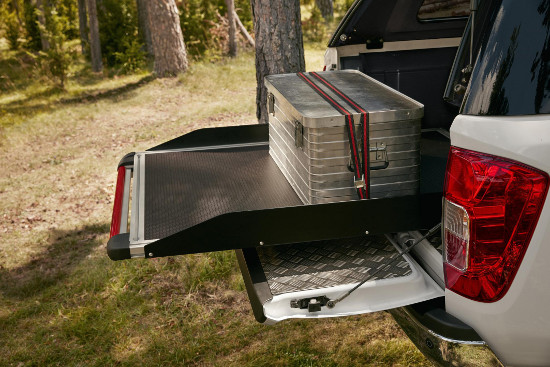
  • A sliding load tray that makes loading and unloading the new NP300 Navara much easier:

Nissan NP300 Navara slide-out load try

  • A foldaway rear step that improves access to the truck bed
  • Tailgate assist – a system that lowers the vehicle’s tailgate smoothly at the touch of a button
  • A load carrier that allows vehicle users to make use of the space on top of the load space cover

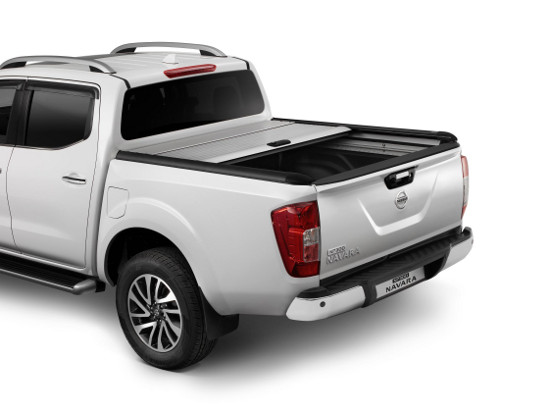
There’s also a choice of three different tonneau covers — a soft cover, a roller shutter type design and a lift-up lid which operates like a car bonnet.

Nissan NP300 Navara roller shutter tonneau cover

This roller design is one of three tonneau cover options.

Buyers can also opt for one of two hard-top designs, the more expensive of which includes opening windows, interior trim and lighting, a stop lamp and central locking.

Naturally, Nissan has also produced a range of styling accessories, including chrome bars for the front, side and bed of the vehicle and high impact lamps that can be fitted onto the bars. Also available are decal stickers, exhaust finishers, a shark antenna and alloy wheels.

Mike Thompson, After Sales Director at Nissan Motor (GB) Ltd, said:

“In the past it’s often been the case that new pick-ups have come to market and customers have then had to wait for third-party, aftermarket accessories to personalise and adapt their vehicles.

“In developing the new NP300 Navara, Nissan had accessories in mind from the very outset and so we have been able to ensure that even those customers taking delivery of the first vehicles this month have the full range of options and accessories available to them.”

For more details of the full range of accessories available for NP300 Navara and for pricing, click here.

Continental VanContact Winter

Continental unveils new winter tyre for vans, but where’s the all-season option?

Continental VanContact Winter

The new Continental VanContact Winter. Note the different tread (to summer tyres). What you can’t see is that the rubber compound is also different.

There’s nothing like a smattering of snow to remind British drivers that the summer tyres fitted as standard to the vast majority of vans (and cars) sold in the UK are not intended to work in cold or icy conditions.

And they don’t. Witness the cars and vans I saw getting stuck on the slightest of gradients in an inch of snow recently. It wasn’t ice, just nice grippy fresh snow. In contrast, my van, with all-season tyres, had plenty of traction.

In the hope of picking up some early momentum, Continental has chosen this week to announce its new VanContact Winter tyre, a winter tyre for vans. Winter tyres do, of course, provide massively superior grip in snow, ice and low temperature conditions — anything below 7°C, in fact.

Conti claims that its new winter van tyre offers better fuel economy than the older VancoWinter 2, thanks to a modified silica compound that provides a 15% reduction in rolling resistance.

At the same time, the new VanContact Winter is said to offer 5% more grip as the result of a modified tread design.

It’s an impressive combination (more grip and less rolling resistance!) and although I haven’t tried it, I have little doubt it’s an excellent tyre. Continental is a top-tier tyre firm.

The only problem is that we don’t have much snow in the UK. Persuading van operators or car owners to change tyres between winter and summer tyres twice a year is a hard sell. For most people — me included — it’s just not going to happen.

All-season (M+S/snowflake) is the answer!

That’s why I use all-season tyres on both my van and my wife’s car. In my experience, after several years of use, they really are ideal for UK weather. They work well in both summer and winter conditions (including snow and ice) and do not require seasonal changes.

Yet despite the obvious suitability of all-season tyres for our relatively temperate climate, the big tyre companies have been reluctant to market all-season tyres in the UK. They’ve preferred to try and flog seperate summer and winter models.

Things may be starting to change, however. A growing number of tyre centres appear to stock all-season tyres which were previously only available as imports from European companies such as mytyres.co.uk (a German business).

For example, Continental make an excellent all-season tyre for vans, the VancoFourSeason. This does not appear on Continental’s UK website at all, but does now seem to be widely available a major tyre fitting chains — something that wasn’t true a few years ago.

It’s the same story with cars. Michelin recently launched the CrossClimate tyre in the UK, which has had excellent reviews and is available in sizes to fit small vans as well as cars. Indeed, British Gas recently signed a deal to fit Michelin CrossClimate tyres to 13,000 of its vans. British Gas operates one of the UK’s biggest van fleets and previously used winter tyres on many of its vans, so this decision speaks volumes, in my opinion.

Momentum does seems to be gathering in favour of the all-season camp. Earlier today, an email dropped into my inbox informing me of a special offer on Goodyear Vector 4 Season all-season tyres at Kwik Fit.

The last time I tried to buy an all-season tyre from Kwik Fit, they didn’t have any. Indeed, back in 2011, I was at a Goodyear press event and was told by one of their PR people that they did not have any interest in promoting their Vector range of all-season tyres in the UK — they were pitching winter and summer tyres only.

Thankfully, common sense seems to be prevailing. Tyre firms appear to be gradually conceding that the majority of British motorist will never run summer and winter tyres, but may be interested in something more suitable for year-round use.

Vauxhall Vivaro

UK commercial vehicle production climbs 33% in 2015

2015 was a good year for UK commercial vehicle (CV) manufacturers. CV manufacturing output rose by 33.3% to 94,479 units  last year, according to the latest figures from the Society of Motor Manufacturers and Traders (SMMT).

The clear highlight of the figures is the strong recovery seen in the European market last year, which suggests that some of the more troubled EU economies may finally be starting to signs of growth:

CV manufacturing Dec-14 Dec-15 % Change YTD-14 YTD-15 % Change
Total 5,815 6,265 7.7% 70,869 94,479 33.3%
Home 2,891 3,008 4.0% 35,945 47,300 31.6%
Export 2,924 3,257 11.4% 34,924 47,179 35.1%
% export 50.3% 52.0% 49.3% 49.9%

Data courtesy of the SMMT (www.smmt.co.uk)

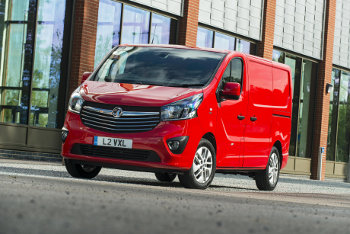
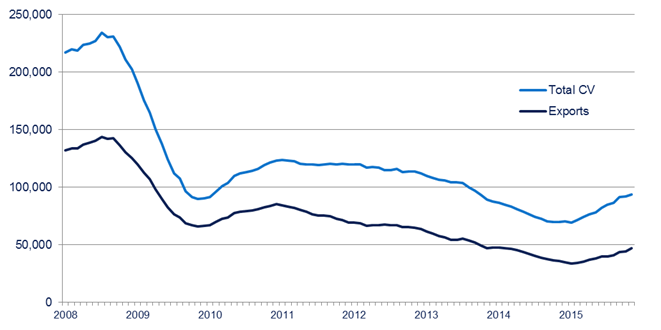
However, what isn’t so obvious from these figures is that one company is supporting the UK’s CV sector pretty much single handed. Regular readers will probably guess that the company in question is Vauxhall, which built 60,280 Vivaro vans at its plant in Luton last year. That’s almost two-thirds of the UK’s entire CV output.

Vauxhall’s all-new Vivaro launched in 2014 and secured 1,500 jobs at the UK’s only dedicated light commercial vehicle plant, after workers won a ten-year contract and a £185 million investment. Since the original Vivaro started production, more than one million Vivaros have been built at Luton. It really is an outstanding British success story.

The Luton plant beat world class competition from across Europe to build the new van, making it all the more frustrating that Ford was not able to resist the temptation to move Transit production from Southampton to Turkey.

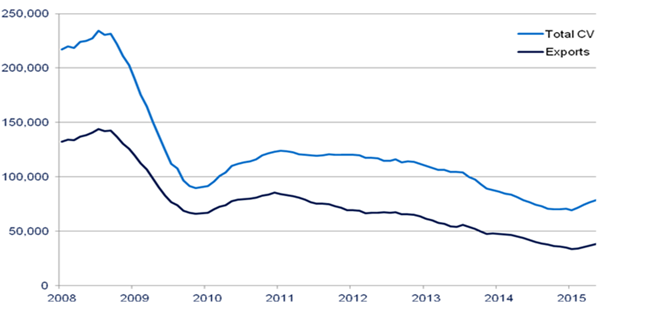
The impact of this and other closures in the wake of the financial crisis is best shown by this graph:

UK CV output 2008-2015

UK CV manufacturing output, 2008 – 2015 (courtesy of SMMT)

It would be interesting to know whether Vauxhall and the UK’s other CV manufactuerers would expect any knock-on effects on export volumes if the UK does vote to leave the EU in the promised Brexit referendum.

I have no idea — logically it does seem easier to trade within the EU than outside it, but then again we import plenty of Japanese cars without problems.

SMMT van and truck registrations 2009-2015

New van registrations hit record high of 371,830 in 2015

Commercial vehicle registrations hit an all-time high of 423,894 units in the UK in 2015, according to the latest figures from the Society of Motor Manufacturers and Traders.

Total registrations last year were 16.7% higher than in 2014 and van registrations had the best year ever: 371,830 new vans hit the road in the UK in 2015, beating the previous record set in 2007.

UK van and truck registrations: 2015 and % change on 2014

December % change Year-to-date % change Rolling year % change
Vans 30,410 14.6% 371,830 15.6% 371,830 15.6%
Trucks 4,880 68.4% 52,064 25.5% 52,064 25.5%
Total 35,290 19.9% 423,894 16.7% 423,894 16.7%

Data courtesy of SMMT (www.smmt.co.uk)

Booming demand for vans must surely be evidence of UK economic growth and perhaps the tail end of the delayed replacement cycle many companies adopted during the recession. Although If I was cynical, I might also suggest that an element of this strong demand is the result of too much cheap credit sloshing around the system, fuelled by low interest rates…

Mike Hawes, who is the SMMT’s chief executive, is certainly not a cynic like me. Commenting on these figures, Mr Hawes said that “CV demand is a key barometer of UK economic confidence”. Interestingly, however, he did comment that “with these record figures in mind, we will expect to see the market levelling off slightly in 2016”.

I’d agree with the last comment: trees don’t grow to the sky and having hit record levels, there doesn’t seem any logical reason to expect demand to continue to soar. Demand must now surely return to more normal levels?

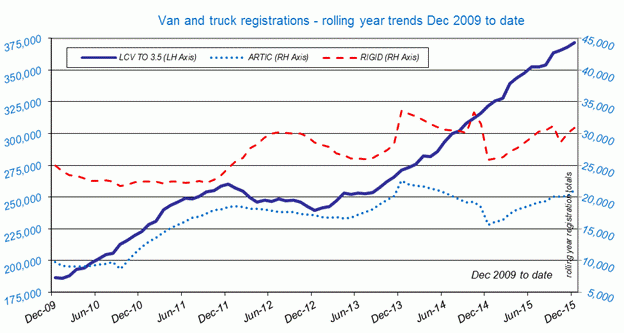
As ever I will watch with interest as the year unfolds, but I will end today’s post with a remarkable graph showing how van registrations have rocketed higher since 2013:

SMMT van and truck registrations 2009-2015

SMMT van and truck registrations Dec 2009-Dec 2015

New Peugeot/ Citroën/Toyota van scores 5 stars in Euro NCAP safety test

Vans haven’t always scored very well in the Euro NCAP safety tests, but this situation is improving.

The new Toyota/Peugeot/Citroën joint venture van and minibus has scored 5 stars in the latest round of Euro NCAP tests.

Peugeot Traveller / Expert

The new Peugeot Traveller is the MPV version of the new Expert van. It scored 5 stars in the latest round of Euro NCAP safety tests and will also be sold badged as the Toyota Proace and Citroen Dispatch.

Before I go any further, I should point out that these tests were performed on the MPV/minibus version of the van, as is normal for Euro NCAP. But I think it’s fair to say that the majority of the findings apply equally to vans, except perhaps for some comments on passenger safety.

Getting back to the test results, the vans concerned are the new versions of the:

  • Toyota Proace;
  • Peugeot Expert;
  • Citroën Dispatch.

These are all essentially the same vehicle, so the Euro NCAP tests only tested one of them, the Peugeot Traveller 2.0 diesel ‘Navette’ (the Traveller is the MPV version of the Expert van).

The test scores are encouraging:

  • Adult occupant: 87%
  • Child occupant: 91%
  • Pedestrian: 64%
  • Safety assist: 78%

While the occupants were well protected, pedestrians did fare less well as it is commonly the case with larger, taller vehicles. Euro NCAP described the protection offered to the head of a struck pedestrian as “mixed”. This is presumably an inevitable result of the raised and more vertical windscreen and bonnet of a van, compared to a car.

There was also good news in the safety assist category. Safety systems are an area where vans have lacked woefully behind cars until very recently. The Expert scored a reasonable 5.5 points from a possible 7 thanks to a standard fit Electronic Stability Control (ESC), seat belt reminders for driver and front passengers and a driver-set speed limiter.

Other safety systems such as Lane Assist are available as cost options but weren’t fitted to the test vehicle or considered in these tests, which focused on the standard base specification.

Overall, it’s a good result for the new Peugeot/Citroën/Toyota van, and a sign of van manufacturer’s continued efforts to bring their vans up to the same safety standard as modern cars.

UK CV output November 2008-2015

UK commercial vehicle manufacturing output up 24.6% as exports surge

If the UK’s commercial vehicle manufacturing output is anything to go by, a European economic recovery is starting to take hold.

The reason I say this is that according to the Society of Motor Manufacturers and Traders (SMMT), UK CV exports rose by 79.1% to 5,131 units in November, up from 2,865 in November last year. Most of these exports go to EU countries.

Inded, so big was the rise in demand from EU countries that a 12.5% fall in demand from UK buyers went almost unnoticed. The UK’s total CV production rose by 24.6% in November to 8,813 units.

CV manufacturing Nov-14 Nov-15 % Change YTD-14 YTD-15 % Change
Total 7,073 8,813 24.6% 65,054 88,214 35.6%
Home 4,208 3,682 -12.5% 33,054 44,292 34.0%
Export 2,865 5,131 79.1% 32,000 43,922 37.3%
% export 40.5% 58.2% 49.2% 49.8%

Data courtesy of SMMT

Commenting on the figures, Mike Hawes, SMMT Chief Executive said:

“The recovery in UK CV manufacturing this year has been good to see, with consistently strong growth in almost every month. November’s performance was driven principally by production for export, underlining the importance of the EU as the sector’s key overseas market.”

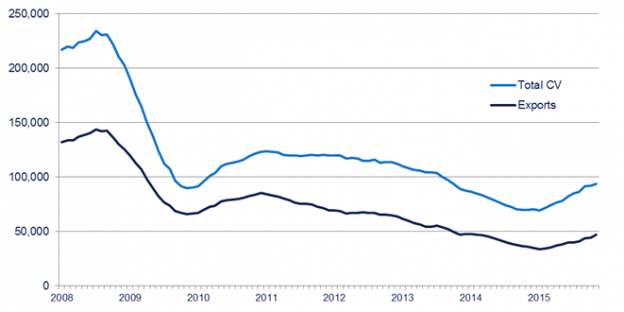
What’s interesting about the figures in the table above is that if you ignore the monthly data and focus on the year-to-date (YTD) figures, you can see that growth in demand has been pretty equal across the UK and export markets, at about 35%. It’s only the timing that has been different. This is also evident from the graph below:

UK CV output November 2008-2015

UK CV output: rolling year totals from November 2008 to November 2015 (courtesy of SMMT)

It will be interesting to see where output levels out — i.e. how much volume production capacity is left in the UK following the closure of Ford’s Transit plant in Southampton in 2013.